|
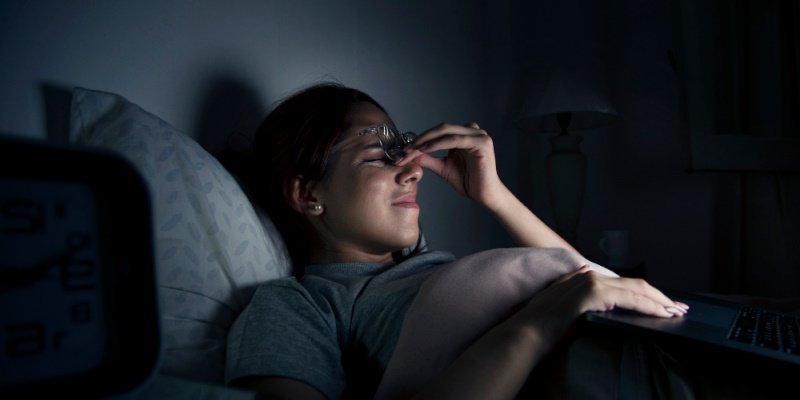
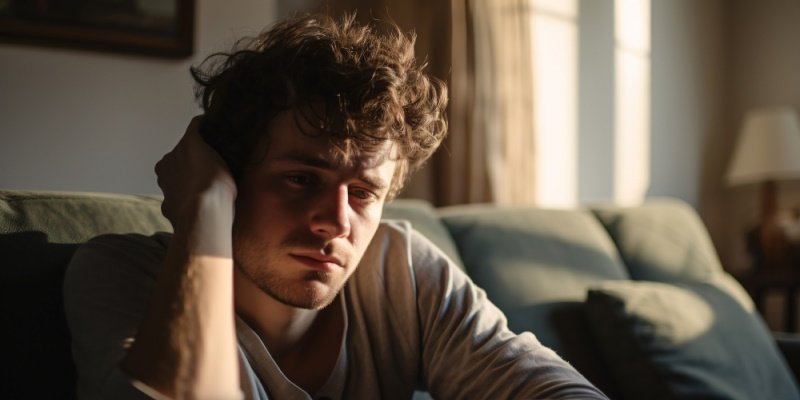
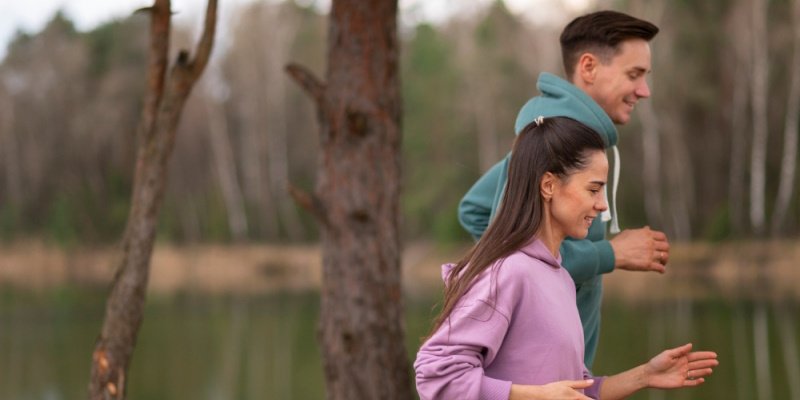
This as you probably know, is known as Seasonal Affective Disorder, or SAD for short. But if getting drowsy was the only impact of seasonal change, things would then be a lot easier to solve (especially with a little coffee : )). Well, the problem with melatonin is that it’s secretion is synchronized with the production of serotonin, a neurotransmitter, which is affected by several external physiological processes such as: blood pressure, temperature, as well as neuro-psychological functions such as: memory, mood and appetite. The two do not unfortunately work together simultaneously. When melatonin is secreted in the body, serotonin production is inhibited. The lack of serotonin production can cause disorders such as: depression and chronic fatigue syndrome, directly reflecting ones mood. Melatonin is most active at night while serotonin is active during the day. Also, your age may be a factor that contributes to the balance of the two chemicals. The production and thus the secretion of melatonin will also decrease with age. It’s also been scientifically proven that the link between melatonin and serotonin, along with their dependence on ones body clock, explains the depression experienced by those suffering from ‘Seasonal Affective Disorder’. Depression, along with problems sleeping, sudden weight gain, increased anxiety, arthritic joint pain, irritability, stress headaches are just a few of the symptoms of SAD. Heavenly Sunshine UV rays exposure from the sun favors vitamin D synthesis in the skin. That’s the reason why people who go to tanning salons, have noticeable mood improvement and a general feeling and state of well-being. However, it’s also well known what the effects of UV exposure can cause and they are not that favorable. So if your going to a tanning salon, and it becomes a habit, keep in mind direct prolonged UV exposure may result in premature skin aging which may eventually lead to skin cancer. Light therapy seems to be a way to treat SAD. Light on the body affects us in two ways: through the skin or by entering through your eyes. Any type of UV light effects the skin, while light that enters through your eyes need not be UV, it just has to be bright. Just its energizing effect on the eyes is needed to simulate the production of serotonin. The easiest way to get enough bright light is by spending just an hour or more a day outdoors, where the natural light levels range anywhere from 1,000 to 50,000 lux, compared to indoor room lighting, which is just around 50-200 lux. If your schedule or the weather outside doesn’t permit you going outdoors, an alternative can be using a ‘light therapy device’. To gain optimum advantage, the light source needs to be bright, around 5,000 lux or more. For eye therapy, the source has to be a particular spectrum, around 460 nanometers, which is known as the blue range. According to current research, blue range light provides benefits even at dimmer levels. As with anything artificial, there are some side effects and risks that these bright lights may cause, the most common being it may interfere with your sleep (when the exposure is during the evening), or it may trigger, in some people, what is known as a mania – condition, or bipolar disorder (manic depression). The safest way of course is to get natural outdoor light, provided UV protection is used. Another way is exercise. Go to the gym and do a lot of cardio type exercises, get your heart rate up, exhaust your body and your mind by sweating it out. Get on the treadmill or bike and your mood will change for the better. |
Related posts:
Awesome Information, thanks for this fine Post. I will come back soon ! Great information about tanning: self tanner reviews