In nature the attraction between mates is determined by a philosophy of survival of the fittest. The mate that is chosen is the one that is most likely to breed strong, healthy offspring. In many animal societies the alpha male will be the only male in the pack, and it will be his job to impregnate the females in order for the species to survive.
Many of the male members of the human world look upon this strange situation with a small touch of wistfulness. What would it be like to have your own harem? What they cannot see is that the alpha male has become the alpha male not by birthright, but by having proved over and over again that he is strong enough and intelligent enough to lead the pack-and to keep it. When the alpha male is challenged by another male for possession of his pack, he must fight to keep it or it will be taken away from him. This is, again, to ensure that the species survives; the one who wins the right to be an alpha male is the one most likely to father strong offspring.
Hey Big Boy - Why The Big Ego
Of course, that’s all very good for the animal kingdom, but how does this pertain to the human world? Simple. Humans have their alpha males too, the criteria by which they are classified is just a bit different. There are many different ways by which a male can be classified as alpha.
- The powerful alpha.
This is the man who wields the most power, both in their place of business and among their community of friends. Women who are attracted to this type of alpha have probably fixed their sites on a business tycoon or a politician, if not royalty. These women want position and the power that it brings.
- The intellectual alpha.
These are the men who are able to provide brilliant dissertations on any topic. These will probably go forth to receive PhDs and save the world. Most of these will be found spending their lives in their offices or laboratories working side by side with their mates.
- The military alpha.
Women love a man in uniform, and the more bars and stripes he happens to be sporting the better. These men have power, a sense of adventure and incredible stories to tell over the dinner table (assuming, of course, that the majority of the conversations they have about their lives do not contain the words, “That’s classified”). Their mates can also count on them to be out of the country for the better part of the year so that a livable harmony never has to be developed.
- The “bad boy” alpha.
This alpha takes many forms. He may be military or law enforcement-black ops or undercover, of course. He will have a shady past that he never reveals and at least one criminal element has issued a price on his head. He will wear black and not converse a great deal, assuming that the women he is with will know what it is that he wants.
- The artistic alpha.
This will be the man who sells his paintings in a downtown museum but has had showings in Italy and France. He will have a small cottage on the beach and he and whoever his lady of the moment is will spend their days (and nights) home eating strawberries dipped in chocolate and reciting poetry to each other.
Sound familiar? Every man in the world has known someone who fits into one of these categories and every woman has wanted to date one. They are the few, the proud, the alpha males.
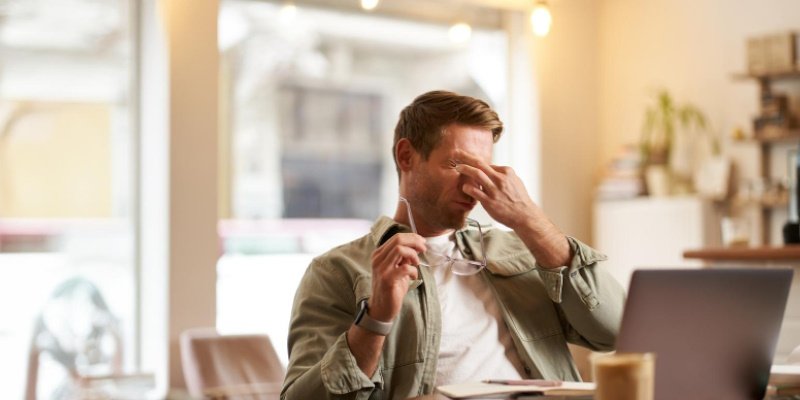
About 20% of adults experience excessive fatigue that impairs their ability to function well at work and at home. Some are able to bounce back after taking a short respite from work or by taking medication. But there is a significant number of people whose stressful experiences last longer that usual. Chronic fatigue syndrome (CFS) affects at least 800,000 people in the United States. This disabling fatigue usually persists for as long as six months or even longer. The eight common CFS symptoms include muscle pain, joint pain, memory gaps or loss of concentration, sleeplessness, headaches, sore throat, and unusual fatigue after exercise.
Many people deal with fatigue and everyday stress by taking vitamin and mineral supplements. Vitamins and minerals are necessary to maintain the many biological processes that take place inside our bodies. Mental alertness, proper digestion, and resistance to bacterial and viral infections are dependent on the proper working of internal organs which are, in turn, dependent on nutrients that come from the food and beverages we consume.
Why You Get Fatigued
Our bodies need carbohydrates, fats, and proteins to speed up chemical reactions and allow our internal organs to function. Like a machine, nutrients from food serve as fuel. These nutrients are the very foundations of good health. However, due to our polluted environment and the toxins found in the food we eat, sickness and muscle fatigue can no longer be totally eradicated. All human beings eventually get sick and require medical treatment as well as supplements during the recuperation stage.
In this day and age, it has become necessary to supplement our daily meals with vitamins, minerals, and even herbal preparations in order to have optimum health and nutrition. These are only some of the vitamins and minerals that should be consumed daily in order to sustain health:
Vitamin E - This vitamin can be found in plain yogurt, rice milk, calcium-fortified soy, kale, nonfat milk, cheddar cheese, turnip greens, cottage cheese and spinach. Vitamin E is an anti-oxidant that helps prevent cardiovascular disease and high blood pressure. It also promotes good skin complexion; enhances sexual performance; and helps alleviate fatigue.
Vitamin A - Vitamin A helps prevent cancer, heart disease, and eye problems. It also helps repair skin cells and promotes the formation of bones and teeth. It plays a big part in the functioning of the entire immune system. This vitamin can be found in cheddar cheese, steamed or raw carrots, fortified skimmed milk, cantaloupe, spinach, mangoes, and peaches.
Vitamin K - This vitamin is vital in bone mineralization, cellular growth, and the prevention of hardening of the arteries. This can be found in broccoli, cauliflower, spinach, beef and sprouts.
Vitamin D - Vitamin D is needed to absorb calcium and phosphorus, which, in turn, are needed for the normal development of the bones and teeth. Getting enough of this particular vitamin helps protect women against osteoporosis. Vitamin D-rich foods include salmon and fortified milk. Sunlight is also a good source of Vitamin D.
MAGNESIUM - This mineral is needed for protein and bone formation. Magnesium gives us energy and helps prevent muscle spasms. Dark green and leafy vegetables such as spinach, grains,legumes and black-eyed peas are rich sources of magnesium.
CALCIUM - This mineral is vital for proper bone and teeth development.
POTASSIUM - It is a mineral that maintains fluid balance, sends nerve impulses, and releases energy. You can get this from potatoes, fish, yogurt, carrot juice, dried potatoes, citrus juices, and bananas.
There are other nutrients that should be included as part of our daily food intake. Vitamin C, iodine, dietary fiber must be consumed every day. Filling these nutritional gaps is easy if you practice good eating habits and eat the right types of food. Indeed, taking multivitamins will go a long, long way in boosting your energy levels and over-all health.
Fight or flight - our automatic response to danger. When fear is present, adrenaline pours into our system to prepare us to fight or flee - from the tiger, the bear, the lava from the volcano.
Fight or flight - today we automatically respond this way to the present dangers, the deep fears that come up in relationships: rejection and engulfment - fears of loss of other and loss of self.
Often, when we feel rejected and fear the loss of the other, we fight for love not to go away by defending, explaining, blaming, attacking, complying, fixing, or we flee through withdrawal. Often, when we feel engulfed and fear losing ourselves through being controlled by another, we flee through resistance or withdrawal, or fight by attacking, defending, or explaining. Just as our ancestors fought or fled from physical danger, we fight and flee from emotional danger. The problem is that, while fight or flight is appropriate in the face of physical danger, this same behavior in the face of emotional fear causes deep problems in relationships.
When we respond automatically to the fears of losing ourselves and losing another, we behave in the very ways that create fear in the other. Our fight or flight reactions create fear in the other person - the same fears of losing themselves or losing us. Our fighting and fleeing activates others fear of rejection and engulfment, creating a vicious circle of fighting and fleeing.
These unconscious, automatic reactions to emotional danger were learned long ago, when we were very small and had to rely on fight or flight as part of our survival. Today they are now longer necessary for our survival, and need to be replaced with loving actions toward ourselves and others.
What does it mean to take loving action in the face of another’s fight or flight behavior? Where do we get the role modeling for what it looks like to take loving action in the face of another’s unloving behavior? Most of us had parents who did not role model loving action in the face of conflict. We have not seen much of it on TV or in movies. How do we learn to take loving action in our own behalf when in conflict with another - action that takes care of ourselves without violating or threatening another?
This role modeling exists in the form of our spiritual Guidance. Tapping into this Guidance is not as hard as you may think - it just takes practice and a deep desire to move out of fight or flight and into loving action.
The steps we can take to move out of automatic fight or flight and into loving actions are:
1. Start to attend to your feelings, the physical sensations within your body that let you know when you are anxious or afraid.
2. Stop and breathe when you feel fear or anxiety in the face of conflict, or in the face of anothers fight or flight behavior. Give yourself some breathing time to make a conscious decision rather than go on automatic pilot.
3. Open to learning with the source of spiritual Guidance that is always here for all of us by asking with a sincere desire to know, What is the loving action? What is in my highest good and the highest good of the other? Asking this question with a deep desire to learn opens the door to receiving information. It does not matter whether you are asking this of your own highest self within, or from an external source of wisdom. The information will come in the form of words, pictures, or feelings when you sincerely want to be loving to yourself and others.
4. Take action on the information you receive.
Examples of loving action are:
1. Move into compassion for the other person, recognizing that he or she would not be in fight or flight without being in fear. Asking the other person, again from a deep desire to learn, what he or she is afraid of that is causing this behavior may de-escalate the situation and lead to understanding and healing.
2. If the other person is not open to calm discussion and exploration of the conflict, disengage from the interaction, speaking your truth without anger or blame. For example, you might say, I dont want to fight with you. Im going to take a walk and lets try to talk about it later. Or, This isnt feeling good between us. Lets take a break and get together later.
3. If the other person has withdrawn from you, loving action may be to do something fun or nurturing for yourself.
Both staying and learning together or taking some time apart to reflect on the issues or self-nurture will break the cycle of each person going into fight or flight in reaction to the other persons fight or flight. It takes conscious practice to stop going into automatic behavior, but the payoff is well worth the time it takes to practice loving action.
Many baby boomers in retirement are becoming more and more concerned with their health needs. Aging has become a reality, so they must take steps to improve or maintain good health and slow the aging process.
According to a recent study by Herbal News Magazine, baby boomers born between 1948 and 1953 evaluated their general health more poorly than their elders, based on a similar study conducted in 1992. Perhaps this happened because the Baby Boom generation was generally less physically active than their elders had been, both at home and at work. Less physical activity and poor eating habits have led to many cases of diabetes, obesity, high cholesterol, and high blood pressure among baby boomers in retirement.
Fortunately, it’s not too late for baby boomers to become pro-active in their own physical well-being. These anti-aging and health tips can help.
Use Herbs to Supplement Diet
Herbs have been around since the earth’s beginnings and can often be found in seasoning and spices we use, plants, many organic foods, and herbal supplements. With the onslaught of pharmaceutical companies and modern medicine, herb use for anti-aging and good health dwindled for a while. But now, baby boomers are realizing the many benefits of holistic health and that herbs offer an affordable alternative to many prescription or over-the-counter drugs.
Some popular herbs for enhanced health and anti-aging include oregano, alfalfa, wheat germ, Echinacea root, fenugreek, arginine, witch hazel, cinnamon, cardamom, dill, peppermint, thyme, ginseng, ginger, rosemary, black pepper, green tea, cat’s claw, and many others. Ginger, for instance, is an antioxidant that helps cleanse the colon, stimulate circulation, and reduce spasms and cramps. It also helps reduce hot flashes and indigestion. Alfalfa detoxifies the body and works as a natural diuretic, hormonal balancer, and cholesterol reducer. Cinnamon enhances the metabolism to help with weight loss, and it is recommended for fungal infections, digestive problems, diabetes, yeast infection, and other ailments. The list of herbs available today goes on and on.
Baby boomers in retirement can see a holistic doctor or one that specializes in homeopathy to discover herbs or alternative medicines that will work best for them.
Natural Healing
Another way baby boomers can improve health and prolong the aging process is through natural methods and remedies for healing. The “ancients” often turned to natural remedies for healing because they didn’t have a doctor’s office or local hospital nearby. Today, many people turn to drugs, which only treat the symptoms, not the problem. Though some diseases and sicknesses do require pharmaceutical drugs, there are many conditions that could possibly be healed naturally. Natural healing is available for many ailments including colds and congestion, back or neck pain, stress and tension, headaches, circulatory problems, and others.
There are several natural healing methods. Acupuncture is a Chinese therapy in which fine needles are used to unblock energy in the body so the healing process can take place naturally. Chiropractic methods include re-aligning or adjusting skeletal systems in the body to help the body release blockages and heal itself. Cranial sacral is the process of adjusting or aligning the bones of the skull to help with headaches, chronic pain, joint syndrome, or injuries to the head or spine. Massaging is a natural healing method in which the hands are used to gently release stress and tension through motion and pressure on certain muscles. Other natural healing methods include Rolfing, Shiatsu, reflexology, and the healing touch.
Choose All-Natural Beauty Products over Chemically-Based Products
Chemically-based beauty products might work wonders at enhancing beauty for now, but long-term use can actually speed up the aging process. Some products that promise beauty might actually dry or damage the skin, damage hair, and cause pre-mature wrinkles. Luckily, there are many organic beauty products available in lotions, shampoos, make-up, bath oils, and soaps to help skin stay beautiful and to reduce signs of aging. These are made of natural ingredients instead of dangerous toxins that can be absorbed into the body through the skin.
Physical Activity, Healthy Eating, and Relaxation
Three other key factors to good health for baby boomers are physical activity, healthy eating, and relaxation. Baby boomers in retirement can still be active doing the things they love such as walking or jogging, riding a bike, gardening, traveling and sight-seeing. Also, they can eat healthier by choosing foods that are rich in vitamins and minerals. Finding a way to relax each day is also important for good health. A soothing bath in natural bath oil, reading a book, spending time outdoors on a swing… all these offer time to relax and clear the mind of the day’s stressful activities.
These methods have helped many people, but a doctor should be seen with any serious illness. Herbs and alternative medicines are not automatic cure-alls, but are meant to enhance health and help the body heal itself of minor illnesses.
Baby boomers in retirement don’t have to stand by and watch their health go downhill. The Internet is a great resource to get started and research different herbs and their health benefits. It’s time to take action with these natural health and anti-aging tips!
Aerobic Benefit:
The word aerobic means with oxygen. Researchers consistently recommend that regular physical activity with healthy eating habits is the most efficient way to keep yourself fit and control your body weight. Aerobic activity helps you to control or reduce your weight by using excess calories that otherwise would be stored as fat. Everything you do uses the calories including sleeping, digesting food and breathing. Any physical activity to what you normally do will use extra calories. So doing regular aerobic exercise gives you a sense of positive attitude that helps to counteract stress. Aerobic activity increases the bodys production of endorphins.
Benefits of aerobics:
* The heart works more efficient and becomes more stronger.
* It helps to control your weight.
* Reduces the risk in developing diabetes, obesity and any heart disease.
* There is an increase in good cholesterol and decrease in bad cholesterol.
* It increases endorphins.
* Increases the body’s ability to take in oxygen and makes you breathe faster.
* It helps to reduce and control the body fat.
* Improves the body muscle strength and flexibility.
* Improves the quality of sleep that freshens you early next morning.
* Helps to avoid chronic diseases like heart disease and hypertension.
* Aerobics increases the resistance fatigue and gives you more energy.
* Improves your mood and reduces depression, stress and anxiety.
* It avoids overheating.
* Aerobics pumps the blood faster and more forcefully.
* Helps in prevention of cardiovascular diseases.
* Builds the muscular strength and makes your body more flexible.
* Helps to reduce blood pressure.
* Prevents from certain types of cancer also.
In short aerobics burns your fat. Aerobics makes you live longer and live healthier and happier.
It builds up a positive attitude in you and changes your perception of looking towards life.
Regular aerobic exercises will force the heart to gradually enlarge and it is important to always target your heart rate.
Safety is always first:
Vigorous aerobic routine can cause sprains and injuries. So never neglect the pain and immediately consult your doctor. If you have any medical concerns the consult your doctor and then start the routine. If a problem like dizziness, vomiting, back pain or any other arises consult your doctor and then continue the aerobic activity.
Aerobic history: Origin of the way ending in a fit and healthy world
Aerobics is nothing but a system of exercises to help prevent coronary artery diseases which was first put forwarded by a physician called Dr. Kenneth H. Cooper in San Antonio air force hospital in Texas. Shortly after the publishing of coopers book about the exercise system, Aerobics in 1968, a person known as Jackie Sorenson developed a series of dance routines known as the aerobic dance to considerably improve the cardiovascular fitness. In this way aerobic dance and other form of exercises gain existence and made its way cautiously among the masses all over United States and many other counties and that too in a very short span of around two decades. The number of aerobics participant in the US alone raises from an estimated 6 million in 1978 to 19 million in 1987. Thus from the above lines one can easily see the tremendous popularity of aerobics among the people around the world.
Something about sport aerobics
Howard and Karen Schwartz are the two persons who developed a very new and competitive sport known as sport aerobics in the year 1983. Their group organization called the sport fitness international holds the credit of organizing the first national aerobic championship in the year 1984. Sport aerobics at the beginning, started featuring competition in four categories namely individual male and female, mixed pairs and trio which have the facility to include any of the three athletes. In the year 2002 the competition was upgraded to a group of six athletes. The judgment of the competitors is done on a one minute, forty-five seconds routine done to music. Judges choose two criteria namely the artistic merit and the technical merit with an overall 10 pints each. In 1996 sport aerobics is formally adopted as a Gymnastique discipline.
Growth of aerobics since the early years
Aerobics since the day of its introduction is growing at a tedious pace. All sorts of people are finding aerobics to be convenient and helpful in maintaining a fit and healthy body structure. Today the present scenario is such that every person in between a heavy work schedule makes out at least half an hour to work out either in the gym or in the home. Every one today stress on the need to stay healthy and hence aerobics and all its form of exercises are rapidly gaining popularity.
Many people are fascinated with Feng Shui and with good reason. While others generally believe that it is just some oriental superstitious set of paradigms on interior design, (which is just part of the extensive definition for Feng Shui), the Feng Shui that we know now is actually comprised of various schools of learning and incorporates the different cultures under which it is housed.
The good thing about the different options pertaining to Feng Shui is that even the layman can actually be able to understand and apply it, immediately in their homes without having to spend too much money or time. And apart from that, there are other advantages that only Feng Shui can bring if you can actually open up your mind to try it.
Advantage Number 1: It brings balance to ones life
Have you ever found yourself completely overburdened with clutter and unnecessarily stressed out of your wits? Chances are, you are suffering from a visual imbalance of some sort in your surroundings. Now, the best way to introduce some sense of balance is by incorporating elements that provide you with a sense of control in the outer balance of things. If you are able to get some semblance of balance even in things as menial as your furniture, you are bound to find balance in other aspects equally manageable.
Advantage Number 2: It helps you become more mindful of the little things
Mindfulness in the little things can actually be a good thing. Some of us tend to be heavily focused on the big things of life that even the minor details like home arrangement and office ergonomics no longer come to play. When these minor aspects of life continue to take a backseat, they tend to accumulate and produce a very stressful environment which can add up to other problems and worries of life.
Advantage Number 3: It opens up possibilities of meeting new people
Meeting new people is another bonus of being a Feng Shui enthusiast. When you are applying Feng Shui, chances are, you will be able to find another person within your social network who likes the same stuff and can even help you expand your knowledge on Feng Shui, no matter how limited it is to begin with.
Advantage Number 4: It gives a fresh perspective on things
At any given time, a fresh perspective is always welcome. This positive perspective can invite changes for the better. A new way of looking at home arrangement, for example, may actually serve to benefit you in the long run. The fresh perspective brought about by Feng Shui can actually bring about an enrichment of ones mind.
Advantage Number 5: It invites prosperity and success
The main objective of Feng Shui is to invite all the good things to ones life. Prosperity and success can be more easily within reach and a positive disposition may be expected if Feng Shui is practiced well.
Advantage Number 6: It has aesthetic appeal
On top of all the enumerated benefits of Feng Shui, the best would probably be its beauty. The physical appeal of a well-decorated home, interspersed with good Feng Shui techniques, is actually something that you can call a personal heritage that can transcend generations and promote beauty in all aspects, including design of the home and the office.
What does Gratitude really mean? Most of us are thankful for the blessings we have in our lives. We have families we love, jobs that help us provide the necessities of daily living, good health, friends to laugh and play with, freedom and Free Will to live our lives the way we want to.
Most of us are very grateful for these blessings, but how often do we stop to focus and reflect on that? Probably not as often as we should. Why is gratitude even important? Sure, we’re thankful for what we have, but why should we have to dwell on it?
There is a very good reason! Have you ever given someone a gift, and when they open it they react with very little enthusiasm? They say flatly, “Oh yeah, thanks, I’ve been wanting one of those.” Their words say “thank you” but their heart says, “big deal”. You can feel that, can’t you? Does it inspire you to want to give them another gift? Probably not. On the other hand, if you give someone a gift and they exclaim, “Oh THANK YOU, I just love it!”, doesn’t that lift your heart? You feel appreciated, and happy that you made them feel appreciated.
The one Universal Law that has had the most profound effect in my life is, Like Attracts Like. When we are truly grateful for the blessings in our lives, and we take time to reflect on them, we automatically begin to draw more blessings to ourselves. Why? Because we create what we focus on.
True gratitude isn’t the act of mechanically listing the blessings in our lives every night before we go to sleep. Gratitude is an Attitude. It’s a mindset of thankfulness and joy for the wonderful blessings in our lives. Our hearts and minds are lifted in joy when we reflect on the beauty and love surrounding us. It’s a heartfelt acknowledgment that our lives would not be as happy as they are now if we didn’t have those blessings.
Okay, so maybe not everything in our lives is perfect right now. Gratitude can be hard to foster when we are also experiencing struggle at the same time. Maybe we’ve just lost a job, or a loved one. Maybe we have difficult financial struggles. Maybe we are mired in depression and sadness. It’s hard to feel grateful during moments like that.
That’s where Faith comes in. Gratitude and Faith go hand in hand. Gratitude is reflecting on and being thankful for the blessings we do have, while Faith affirms that more are on the way. Maybe not everything in our lives is the way we want it to be, but some things are wonderful, and the things that aren’t so wonderful will get better in time. Another job is just around the corner. Peace and healing will come to us as we go through the grieving process for our loved one. Financial struggles come and go. Depression and sadness will lift (seeking treatment may be necessary in some cases), and the sun will shine once again. Believe this. Know it in your heart. Affirm it to the Universe, and it will be so.
You know what I’m grateful for? You. Every single one of you who is reading these words right now. I’m deeply grateful that I’m given the opportunity to send even a tiny ray of sunshine into your lives each week. The letters I get back from you telling me that I’ve made a difference in your life, no matter how small, fill my heart to overflowing.
Be thankful for the ways in which you touch the lives of others. Some of them you may not even be aware of, and that’s okay. Know that they do exist.
Take time to reflect on the good things in your life, not just today, but every day. Really let yourself feel the goodness and love surrounding you. Tell your loved ones what they mean to you. Embrace them and be thankful for their presence in your life. Focus on the Love, for it’s all that really matters.
“How do you know when you’ve met the right one?
Almost everyone asks this question at some point in their lives; unfortunately, there are not too many who get a concrete answer.
Interestingly, the criteria for choosing a spouse can be reduced to just four key characteristics. If you can find somebody with all four then it’s highly likely that you’ve found your life partner.
1) What is This Person’s Core Values?
Before you decide to marry someone, make sure that they are fully committed to some kind of objective moral and ethical standard. Whether we realize it or not, everyone has some kind of core value that is central to their personality. And when push comes to shove, that value is going to be the most important thing in the world to that person.
For example: Jerry’s core value is adventure. When Jerry starts to date Diana, he happens to be volunteering at the local Emergency Room. He goes there every night, holds people’s hands, calms them down. And Diana is thinking to herself that Jerry must have a heart of gold if this is how he’s spending his spare time. Now, Jerry might really have a heart of gold. But he’s volunteering because of his love for adventure. The ER is filled with action, it’s exciting. So right now, Jerry’s adventurousness happens to be expressing itself in a kind way. But that could change. Jerry might stop volunteering, and start trying other adventures that Diana may find unpleasant, dangerous, or even unethical.
However, if Jerry’s core value is a commitment to goodness and caring, then everything he does will rotate around that, including his marriage. And Diana will be a very lucky woman if she marries him.
So how do you get to know the true Jerry? Surprisingly, it’s not that difficult. No matter what a person’s core value is, you will see him or her sacrificing for it on a daily basis. If Jerry’s core value is adventure, then he might risk an accident in order to speed through an intersection or arrive late at work because he followed a police chase. If Diana follows him carefully, she’ll see that he places adventure above other important things on his list of priorities. But if Jerry’s core value is goodness, then Diana will see him give up on certain things in order to be kind. If the waiter mixes up his order, he’ll say thank you and eat the dish anyway. He’ll let the other guy cross the intersection first, or he might be late to work because he drove a little old lady home with her groceries. If Diana follows him carefully, then she’ll see him let go of some of his own desires in order to take care of other people.
So look for someone who is committed at the core to a higher set of values that you can appreciate.
2) Does This Person Treat Others Well?
Number two is obvious: You want to marry someone who is going to take care of you and treat you well. How to figure it out? Simple. Spend time with this person, and pay attention to how they treat others whom they don’t necessarily care about because they’re not trying to charm them. Do they thank the attendant who pumped gas for them? Are they courteous to people at checkout counters? Do they curse out people who don’t deliver on time, like telephone operators or overworked waitresses? Do they tend to drive aggressively, as if there’s no one else on the road?
Ask yourself questions like these and take note of the answers - because they reflect characteristics that will come out down the line. Most people don’t guard themselves so carefully that they’ll hide how they treat others. So watch them, and you’ll know how they’re going to treat you after you’re married.
3) Do We Communicate Well With Each Other?
In other words, make sure that you understand each other. This may seem obvious, but it’s not. Sometimes you can see a couple in a fight and they argue for an hour, two hours, maybe even overnight. And then, at the end of round 16, it turns out that the whole thing was just a misunderstanding: Oh, I thought you meant that… That’s not what you meant? Oh, then we agree.
Although on an occasional basis this can happen to anyone, if it’s happening constantly then it’s not a good sign because that may not change. If you’re constantly misunderstanding each other, then you might want to put this relationship on hold for a while.
4) Are We Physically Attracted to Each Other?
Physical attraction is an essential part of marriage. You cannot marry someone if you aren’t physically attracted to them. And while men arrive at this conclusion somewhat quickly, women should give themselves some more time. Very often, a woman may not feel attracted to a man initially, but after she gets to know him she finds him much more attractive than before.
A word of caution: Although physical attraction is essential, you can’t base a marriage on physicality. Whatever is going on physically is meant to be an expression of something deep that is happening on the emotional and spiritual level. The rule is - make sure that physical attraction is there, but don’t get swept away by it. The other three characteristics are just as important, if not more so.
So there you have it. The next time you date someone, put what you’ve learned here into practice. It’ll save you a lot of time and heartache, and you might find yourself walking down the aisle faster than you think.
Falling in love with a friend is nothing out of the ordinary and happens quite often, especially between two people that share a lot of things in common with each other.
Friends usually spend a lot of time together. Friends often do the same things together. Commonality is the main reason people become friends. However there are times when too much familiarity can be mistaken for something more.
This type of situation happens mainly between friends of different gender. Kindness and friendly affection can easily be confused with feelings of love. Quite often, women are the ones that fall prey to this attraction. However many men have also been in the same situation.
Gestures that would normally mean nothing are misconstrued as something more than it is. A lot of people get mixed signals about friendships with the opposite sex. Situations like these are normal but it is up to the individual to figure how he or she will handle it.
Falling for a Friend Is it Mutual?
Is it mutual? People that end up falling for a friend should consider if the feeling is in fact mutual. Unfortunately most friendships are just friendships. Falling for a friend can one way or another complicates the friendship.
All people value friendship, especially with the opposite sex, since many find it hard to maintain a platonic relationship with the other sex. Because of this, they have a tendency to avoid situations wherein falling for a friend would virtually end the friendship.
In general, many men and women are true and dedicated friends. However there are some men and women who cannot resist their attraction to the opposite sex. Many romantics often fall victim to this situation and end up spoiling any chance of a successful relationship with the opposite sex.
How to Handle the Situation of Falling For a Friend
Once a person has established that he or she has indeed fallen for his or her friend, it is necessary to figure out the next move. The next move is crucial to the survival of the friendship. A person that has fallen in love with a friend can either take advantage of the situation or let the feeling pass.
Most of the time, a loyal friend would merely let the sentiment pass. Taking into account all the reasons why falling for a friend would be detrimental to the friendship. This is possibly because most romantic relationships never last whereas nearly all friendships last a lifetime.
A lot of people also let the feeling pass for fear of embarrassment. Especially if the feeling is not mutual, which is often the case when falling for a friend. Unfortunately this can also cause a person extreme anxiety that can also strain the friendship.
On the other hand there are some people who are willing to risk the friendship in the name of love. These individuals take the chance of freely expressing their feelings for a friend. However the person must also be ready to face the possibility that the feeling would not be reciprocated.
This makes the situation more complex as getting back into the friendship after a public declaration of affection can also strain the relationship. In most cases, both parties start to feel awkward in each others company. One feels guilty for expressing their emotion while the other feels guilty for being unable to return the affection.
However, if both parties genuinely share the feeling, then it would certainly be a match made in heaven for both parties. This means that the relationship has the opportunity of blossoming into a legitimate and possibly lasting relationship.
It would still require a lot of hard work and commitment from both parties involved. But keep in mind that this is a once in a lifetime opportunity that may or may not happen.
Falling in love with a friend is a tough situation for any man or woman to face. The risk of losing the friendship is imminent and even more painful for the aggrieved party. On the other hand falling for a friend can bring about a beautiful future between two people that genuinely care for one another provided both are willing to work at it.
Even when you don’t say a word, other people can still learn a lot about what kind of person you are and what you are thinking and feeling.
How do other people do this? By studying your body language.
The term body language refers to the messages you send out with your body gestures and facial expressions.
Some body language experts claim that only about 7% of our messages to other people are communicated through the words we speak. The rest of our messages are conveyed through our body language, tone of voice, and facial expressions.
During your entire life you have been sending messages to others through your posture, gestures, and facial expressions.
When you were an infant, before you learned to speak, people were peering into your little baby face, looking at your gestures, and listening to your little cries and gurgles, trying to decipher what kind of mood you were in, and what you were trying to say.
And you have been reacting to the body language, voice tone, and facial expressions of the people around you all your life, even though you may not have been consciously aware of it.
What sort of messages are you conveying to others with your body language? Does your body language encourage other people to approach you? Or do you subconsciously warn them to stay away?
Take a moment to think about how you usually stand or sit when you are with other people. What are you doing with your hands? Where are you looking with your eyes?
Does your face express interest in the people you are with, or does your face stay a tense, stony mask?
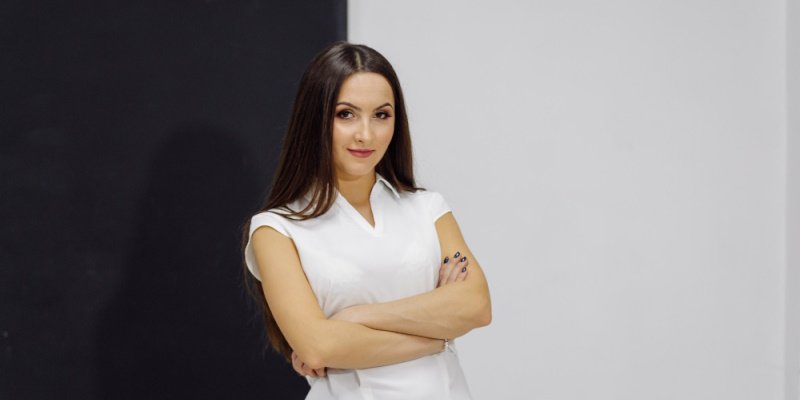
When you are sitting or standing, do you usually cross your arms across your chest? If this is your typical way of standing or sitting, how do you think other people interpret this posture? Do you realize that most people will subconsciously interpret your arms crossed in front of your chest as a signal that you dont want anyone to approach you? Only the bravest souls are likely to come forward when you adopt this posture.
If you stand awkwardly, with your chest slumped forward, your shoulders drooping, and your eyes avoiding everyone else, people are likely to decide you are very depressed or completely lacking in confidence. They may fear that trying to talk with you will be an awkward experience.
When you stand awkwardly, you do not project any sign that you are confident in yourself, or that you have any interest in the people around you. Instead you look like you are trying to disappear.
No matter how desperately you want someone to come over and befriend you, if your body language projects awkwardness or disinterest in others, its not very likely that many people will try to start a conversation with you.
If some body language signals can frighten people away, are there signals that will encourage people to come forward and approach you? Yes, you can look much more approachable to others if you adopt body language that is open and non-threatening.
Whether you are sitting or standing, aim for a posture that is upright and alert, yet relaxed. If you notice that your chest or shoulders are slumping, straighten up.
Become aware of the way you are breathing. Does your breath move in and out smoothly? Or does it move with jerky little stops and starts?
If you notice that you are holding your breath, or breathing in a shallow, jerky manner, this is a sign of anxiety. When you breathe shallowly, you have to breathe more often, which can increase your appearance of nervousness. Consciously tell all the muscles of your body to relax. Use your abdomen to help you breathe smoothly and deeply. Let the bottom part of your lungs fill up with air as well as the top.
What are you doing with your hands?
If you get nervous in social situations, you may feel that no matter what you do with your hands, its the wrong thing. Many people who cross their arms in front of their chest are probably doing so at least in part because they dont know where else to put their hands.
You should never cross your arms in front of your chest unless you really dont want anybody to approach you. That is the message this gesture sends out.
If you want to look open and approachable, keep your arms at your sides, or put one hand in your pocket. If you want to hold something in one hand, keep your hand at the side of your body, and not in front of you. Holding your arm in front of your body can be seen as a signal that you want to defend yourself against other people.
Stay aware of and focused on your surroundings and the people around you. If you find yourself tuning out your surroundings, you will start to focus too much on your negative inner sensations and thoughts. This can quickly increase your anxiety to a very uncomfortable level.
What sort of facial expression should you have if you want people to approach you?
In most cases, a gentle, pleasant smile should do the trick. Too much of a smile that never softens can look forced and nervous. A pleasant smile with a twinkle in your eyes will convey to other people the impression that chatting with you will be a pleasant experience.
Hello... Get Our Best Unbiased "Reviews On..." Everything Pertinent!